
Nutrition that fuels your Body & Mind
Build muscle, optimize performance, and feel your best through evidence-based nutrition strategies. Master meal prep that fits your schedule, choose the right macro ratios for your goals, and develop a healthy relationship with food that supports long-term results.
Our Diet & Nutrition Approach
Real nutrition isn’t about chasing the latest diet trend or obsessing over every calorie. It’s about building a sustainable approach to eating that supports your training, optimizes your hormones, and fuels your entire life.

Food as Medicine
Choose functional foods that go beyond basic macros and calories to optimize hormone production, enhance recovery, and prevent disease.

Protein-First Mentality
Protein is the most important macronutrient. Prioritize quality protein sources in every meal to build muscle, support recovery, and maintain satiety.

80/20 Flexible Diet
Get 80% of your nutrition from nutrient-dense, whole foods you prepare yourself. The other 20% allows you to indulge in treats or eat at nice restaurants.

Meals that Taste Good
Prepare food you actually want to eat with quality ingredients and macros, while building systems that fit your schedule without sacrificing flavor.
What You Should Know About Macros
Real nutrition isn’t about chasing the latest diet trend or obsessing over every calorie. Build a sustainable diet that supports your training, optimizes your hormones, and fuels your entire life.
Protein: The Building Blocks of Muscle
For athletes and health-conscious individuals, protein is probably the most important macronutrient. Aim for at least one gram per pound of body weight daily if you’re serious about muscle gains.
There are a couple challenges when it comes to protein. The first one being cost. Quality protein is expensive compared to carbs and fats. But it’s a great investment to make in your physique and performance. Second, it’s slower to digest and may be harder to eat in large amounts. This is why it’s good to eat more frequent meals.
Carbohydrates: Fuel for Performance
The advantage of carbs is that they’re generally affordable and easy to consume in larger quantities. However, the challenge is choosing the right types. Processed and refined carbs spike blood sugar and leave you hungry soon after. Stick with complex carbs that digest slowly and keep you satisfied between meals.*
*Except when you want quick energy before a workout, or to spike your insulin after a workout.
Healthy Fats: Hormone Optimization
Dietary fat supports testosterone production, nutrient absorption, and overall health. Aim for anywhere between 20-35% of your total calories from fat, with a healthy balance between saturated and unsaturated fat sources.
The thing is that most restaurants and food manufacturers use cheap, inflammatory seed oils like soybean, corn, and canola oil. These highly processed oils contribute to inflammation and poor health. Choose quality fat sources like butter, olive oil, avocado oil, coconut oil, and the natural fats in whole foods like eggs, meat, and fish.
Functional Foods: Beyond The Calories & Macros
With all this talk of macros and calories, let's not lose sight of what's important: holistic health.
Functional foods provide health benefits beyond the numbers. These foods contain vitamins, minerals, antioxidants, and compounds that optimize your body’s processes.
Simply put, they are whole food ingredients that are good for your health.
Supplements may enhance your diet but can never replace quality food.
What Macro Split is Best For Your Goals?
Picture a plate of food divided like a pie chart. Each “piece” represents a percentage of your daily calories coming from each macronutrient.
This visual approach makes meal planning simple and intuitive without needing to weigh all your food and track numbers. Make adjustments based on how your body responds and what you can sustain long-term.
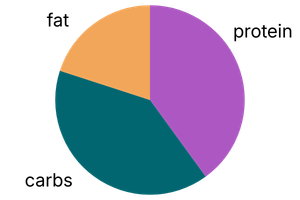
40% protein, 40% carbs, 20% fat is ideal for losing fat while maintaining muscle mass. The higher protein intake preserves lean tissue during a calorie deficit while moderate carbs fuel your training.
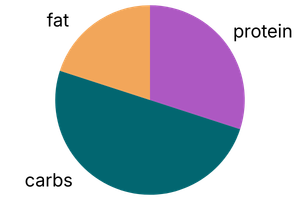
50% carbs, 30% protein, 20% fat may be better for building muscle because of the increased carb intake. More carbohydrates provide additional energy for intense training and support muscle glycogen recovery.
33% carbs, 33% protein, 33% fat works well for people who are sensitive to carbs and want to limit them in place of higher fat intake. This balanced approach provides steady energy without relying heavily on carbohydrates.

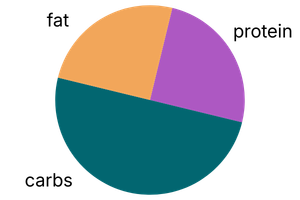
50% carbs, 25% protein, 25% fat offers a less restrictive approach ideal for the general population focused on overall health rather than specific physique or body composition goals.
While counting macros isn’t essential, having a target ratio based on your specific goals helps guide your meal planning.
Meal Prep: The Key to Better Nutrition
If you’re serious about building a strong, impressive physique naturally, or you want the best fuel for life, meal prep is crucial. Learning just the basics of planning, prepping and cooking is an investment that will pay off big time.
There are only two ways around it: either money is not an issue and you can afford to pay a premium eating out all the time, or there’s someone who cooks healthy food for you on demand. Even so, you won’t see your best results if you rely on someone else.
Control Over Quality
Choose your own ingredients so you know exactly what goes into your body. No mystery oils, hidden sugars, or questionable preparation methods.
Cost Efficiency
Quality ingredients cost less than constantly ordering takeout. Even buying all organic typically costs less per meal than eating out.
Optimized Macros
Hit your protein targets consistently without the excess carbs and fats that come with restaurant meals and prepackaged foods.
Made How You Like
When you stop eating artificially flavored or processed foods, you develop an appreciation for whole foods in their natural state.
Start Eating Better Today
Whether you’ve never meal prepped before or you want to get your diet back on track, it starts with an honest assessment of where you’re at versus where you want to be. Let’s work together to build a nutrition plan that fits your life and gets real results.